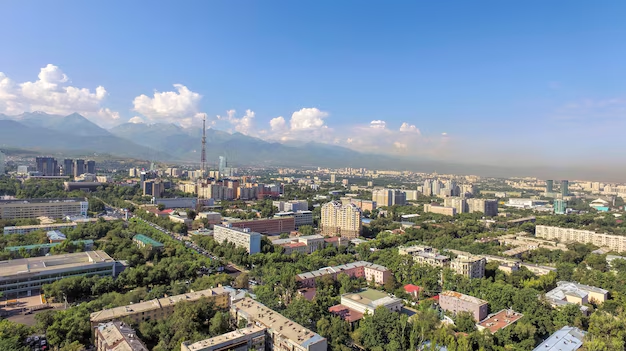

Understanding Alaikas: A Cultural and Natural Overview
The term ‘alaikas’ evokes a rich tapestry of landscapes and cultural expressions, symbolizing the diverse beauty and heritage found across the globe. Etymologically, ‘alaikas’ is derived from various indigenous and regional languages, reflecting the unique interplay between nature and human creativity. Each interpretation highlights the intrinsic connection between the environment and cultural identity, suggesting that what we deem as alaikas captures both the physical and the intangible aspects of places.
Alaikas serve as a testament to the vast spectrum of cultural narratives woven within the fabric of different societies. For instance, the awe-inspiring fjords of Norway may be credited as a natural alaikas that embody breathtaking beauty, while the intricate ceremonial practices of the Indigenous peoples of Australia represent a cultural alaikas showcasing human expression derived from the land. By recognizing these examples, one gains insight into how natural features and cultural heritage coexist, with each enhancing the value of the other.
Transforming Landscapes: The Role of Nature in Alaikas
The panorama of world alaikas presents a remarkable tapestry of natural features that profoundly shape the identities of various cultures. From majestic mountains that cradle communities within their heights to winding rivers that serve as lifeblood for the surrounding landscapes, these geographical elements are pivotal in defining local identities and cultural practices. The towering peaks, such as the Himalayas or the Andes, not only provide awe-inspiring vistas but also serve as spiritual symbols, inspiring local folklore and traditions that celebrate the harmony between humankind and nature.
Forests, too, play an essential role in the panorama of world alaikas. They are often viewed as sacred spaces, providing resources essential for survival while serving as a source of inspiration for art and community traditions. Indigenous tribes around the globe have maintained a deep connection to their forested surroundings, crafting narratives and practices that honor the flora and fauna unique to their environments. As custodians of these landscapes, they foster sustainability, aiming to preserve the intricate balance that sustains their communities.
Furthermore, valleys and plains contribute significantly to agricultural practices, influencing food security and economic stability. The relationship between the land and its inhabitants is intricate; humans adapt to the rhythms of nature while simultaneously shaping it. As we explore the panorama of world alaikas, it becomes evident that natural landscapes do not merely exist as backdrops but are active participants in cultural expression. Festivals, rituals, and art forms often draw upon these landscapes, creating a symbiosis that enriches the cultural fabric of communities worldwide.
In conclusion, the interplay of diverse geographical features within the panorama of world alaikas encapsulates a profound narrative that intertwines nature with human experience, highlighting the importance of preserving these precious landscapes for future generations.
Cultural Expressions: Art, Festivals, and Traditions
The panorama of world alaikas wonderfully illustrates the intrinsic relationship between cultures and their landscapes, as expressed through various forms of art, music, dance, and vibrant festivals. These cultural expressions serve not only as reflections of geographical beauty but also as vital components of community identity and continuity. For instance, the indigenous peoples of the Andes celebrate their rich cultural heritage through traditional music and dance during festivals like Inti Raymi. This celebration of the Sun God emphasizes their deep connection to their unique environment, showcasing colorful costumes and rhythmic performances that resonate with their highland surroundings.
In contrast, the coastal communities of West Africa, such as those in Senegal, offer a lively panorama of world alaikas through their energetic dance forms and drumming traditions. Celebrations like the Tam-Tam Festival integrate local customs with music, drawing participants and visitors alike into a shared experience of cultural pride. The art of storytelling also thrives in these communities, where oral traditions weave the relationship between people and the sea into narratives that reinforce social bonds and transmit history.
The preservation of these cultural traditions faces challenges due to globalization, which often promotes a homogenized culture that may overshadow local identities. However, various initiatives are underway to safeguard these unique expressions. Organizations work tirelessly to document oral histories, support local artisans, and encourage cultural festivals that promote understanding and appreciation of diverse landscapes and cultures. By celebrating the mosaic of human expression found within the panorama of world alaikas, communities can strengthen their roots while simultaneously embracing elements of globalization, ensuring a future where their cultural identities remain vibrant and resilient.
Sustainable Tourism and Preservation of Alaikas
The panorama of world alaikas encompasses a variety of breathtaking landscapes and vibrant cultures that attract numerous tourists each year. While tourism can provide significant economic benefits to local communities through job creation and revenue generation, it also poses considerable risks to the ecological and cultural integrity of these unique environments. Therefore, adopting sustainable tourism practices is essential to ensure the preservation of the alaikas and the well-being of the indigenous populations.
One of the primary challenges is the environmental impact of increased tourist footfall, which can lead to habitat degradation, pollution, and depletion of local resources. In contrast, responsible tourism initiatives aim to minimize harm while maximizing the socio-economic benefits for local communities. For instance, several organizations promote eco-friendly tours that prioritize environmental conservation and cultural preservation, allowing travelers to experience the beauty of the alaikas without causing significant disruption.
Moreover, these initiatives often engage local communities in tourism development, ensuring that they have a stake in the management of their cultural and natural resources. This approach not only empowers locals but also fosters an authentic travel experience, where tourists can learn about the unique traditions and lifestyles inherent to the panorama of world alaikas.
Travelers can contribute to these efforts by practicing respectful tourism. Before visiting an alaika, it is advisable to research local customs and environmental guidelines, as well as to support businesses that prioritize sustainability. Opting for guided tours led by local experts can also enhance understanding and appreciation of these areas, further promoting responsible engagement. In conclusion, sustainable tourism practices are vital to safeguarding the panorama of world alaikas, ensuring that both the landscapes and cultures thrive for future generations to experience and enjoy.